

Group Cooking Classes: How to Pick the Right One
Not all cooking classes are created equal. We'll walk you through what to look for — class size, cuisine type, hands-on vs. demo format — so your group actually has fun and leaves with new skills.

Why Class Selection Actually Matters
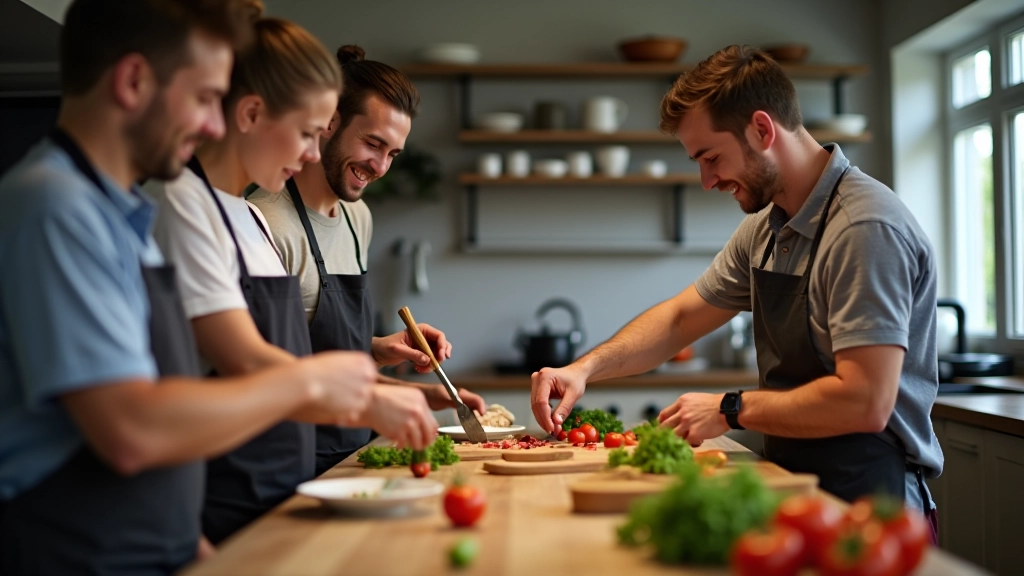
You've decided on cooking classes for your group — great choice. But here's the thing: picking the wrong class can turn a fun afternoon into an awkward situation where half your friends are standing around watching someone else chop vegetables.
The difference between a good cooking class and a mediocre one comes down to a few key factors. Class size, instructor style, the type of food you're making, and whether you're actually cooking or just watching — these details matter way more than you'd think.
We've put together a practical guide to help you find a class that works for your specific group. No fluff, just what you need to know before booking.
1
Class Size — Smaller isn't always better, but overcrowded definitely isn't
2
Hands-On Format — Everyone cooks, not everyone watches
3
Cuisine Match — Pick something your group will actually eat
4
Instructor Experience — Someone who can teach, not just cook
Class Size: The Sweet Spot
Most cooking classes cap out at 12-16 people. Anything bigger and you're stuck waiting in line for oven space. Anything smaller and you're paying too much per person.
Here's what we've learned: the ideal size depends on your group's comfort level. If everyone's a beginner, aim for 8-10 people maximum. The instructor can actually watch what you're doing and catch mistakes before something burns.
For experienced cooks or confident groups? You can handle 12-14 without it feeling chaotic. The instructor has breathing room, you've got actual counter space, and people aren't hovering over each other's shoulders.
Pro tip: Ask about the student-to-instructor ratio. One instructor for 16 people means you're probably getting a demo, not real instruction. One instructor for 8-10 people? That's actual teaching.
Hands-On vs. Demo: Do You Actually Cook?
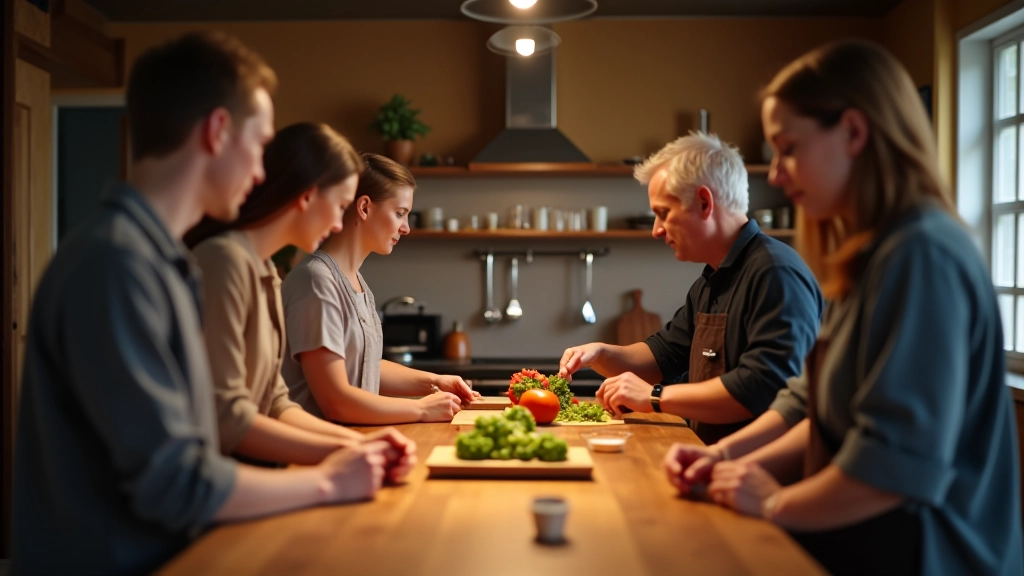
This is the biggest deal. Some "cooking classes" are really just food theater — you watch someone make three dishes while you stand around with a glass of wine. That's fine if you're looking for entertainment, but it's not a cooking class.
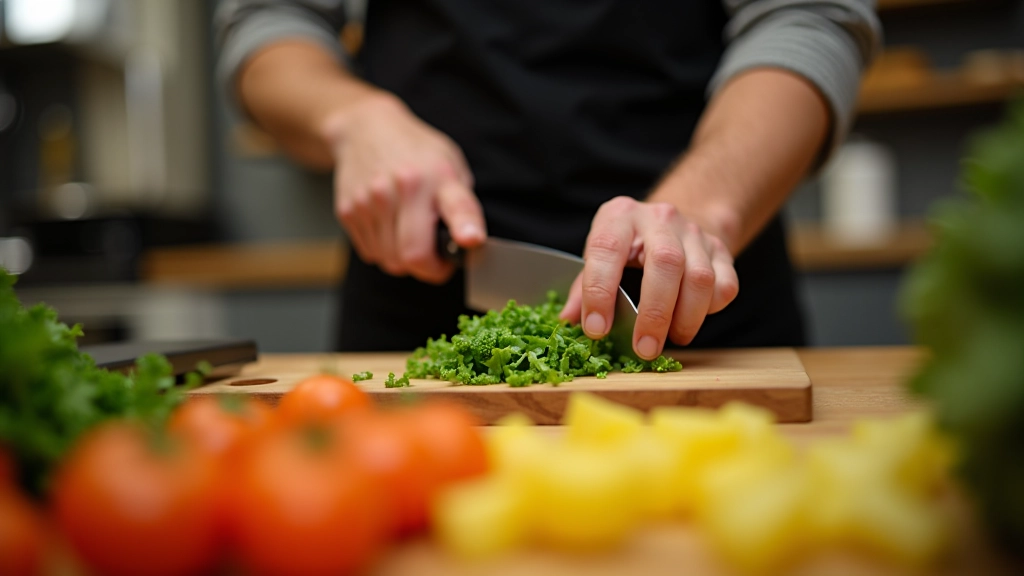
Real hands-on classes mean everyone gets their own workspace, their own ingredients, and their own chance to mess up. You'll spend time on basics: knife skills, heat control, timing. It's messier, less polished, but you actually learn.
Some places do a hybrid — demo for technique, then you cook. That's solid. The instructor shows you how to do something properly, then you try it yourself with guidance.
Ask explicitly: "Will everyone get their own station and ingredients?" If they hesitate or say "mostly," that's a red flag. You want classes where participation isn't optional.
Cuisine & Dietary Reality Check
You've got 10 friends and someone's vegetarian, someone won't eat spicy, and two people are dairy-free. Doesn't mean you can't take a cooking class together, but you need to pick one that actually works.
Mediterranean cooking? Easy to adapt. Vegan? Some instructors specialize in it, but not all. Thai? Authentic Thai often involves fish sauce, so check first if that's a problem.
The best approach: find a class where the cuisine is naturally flexible or where the instructor explicitly welcomes substitutions. Indian cooking is great for this — you can make things spicy or mild, with dairy or coconut milk. Ask about their policy before booking.
What Makes a Good Cooking Instructor
Here's a reality: some people can cook amazingly but can't teach worth a damn. They work too fast, assume you know things you don't, or get frustrated when someone asks a basic question.
Good instructors do a few things consistently. They explain why you're doing something, not just what to do. They watch the room and catch people before they overcook something. They're patient with beginner questions and don't make anyone feel stupid.
They explain the "why"
Not just "do this," but "this is why we're doing it this way"
They adjust for the group
If people are struggling, they slow down. If you're flying through, they add depth
They don't rush to plating
Good instructors make sure everyone's actually ready before moving to the next step
They share recipes afterward
You should leave with written recipes so you can actually make this stuff at home
Check reviews and look for specific comments about instruction quality, not just "the food was good." People will tell you if an instructor was dismissive or impatient.
The Practical Checklist
Before you book, run through this list. It takes 5 minutes and saves you from a disappointing afternoon.
Ask the School
- Maximum class size for the date you want?
- How many instructors for that group size?
- Do people get individual workstations and ingredients?
- Are dietary restrictions accommodated?
- Do you get the recipe to take home?
Check Reviews For
- Mentions of instruction quality (not just food quality)
- Whether people felt rushed or pressured
- If the instructor was patient with mistakes
- Whether it was actually hands-on
- If the location felt comfortable for groups
Don't assume the most expensive class is the best, but also don't expect quality instruction at basement prices. Most solid group cooking classes run 40-60 EUR per person for a 2-3 hour session. If it's significantly cheaper or more expensive, find out why.
Making the Right Choice
The right cooking class turns into a genuine memory. You're learning something together, laughing when someone burns garlic, and actually eating something you made with your own hands at the end.
It doesn't have to be fancy or expensive. It just needs to be the right fit for your group. Small enough that everyone participates. Hands-on enough that you actually cook. Flexible enough that everyone can eat what you make. With an instructor who actually cares about teaching, not just showing off.
Take 15 minutes to ask the right questions before booking. It'll make the difference between "that was okay" and "when can we do this again?"
Ready to explore more fun activities for your group?
Browse All ActivitiesDisclaimer
This article provides general guidance for selecting group cooking classes and is for informational purposes only. Individual experiences with cooking classes may vary based on location, instructor expertise, facility equipment, and group dynamics. We recommend contacting specific cooking schools directly to confirm details, dietary accommodations, class structure, and instructor qualifications before booking. Prices, class sizes, and offerings change regularly and vary by provider. This guide reflects general best practices but doesn't constitute professional advice or recommendations for specific establishments.
Explore More Fun Activities